
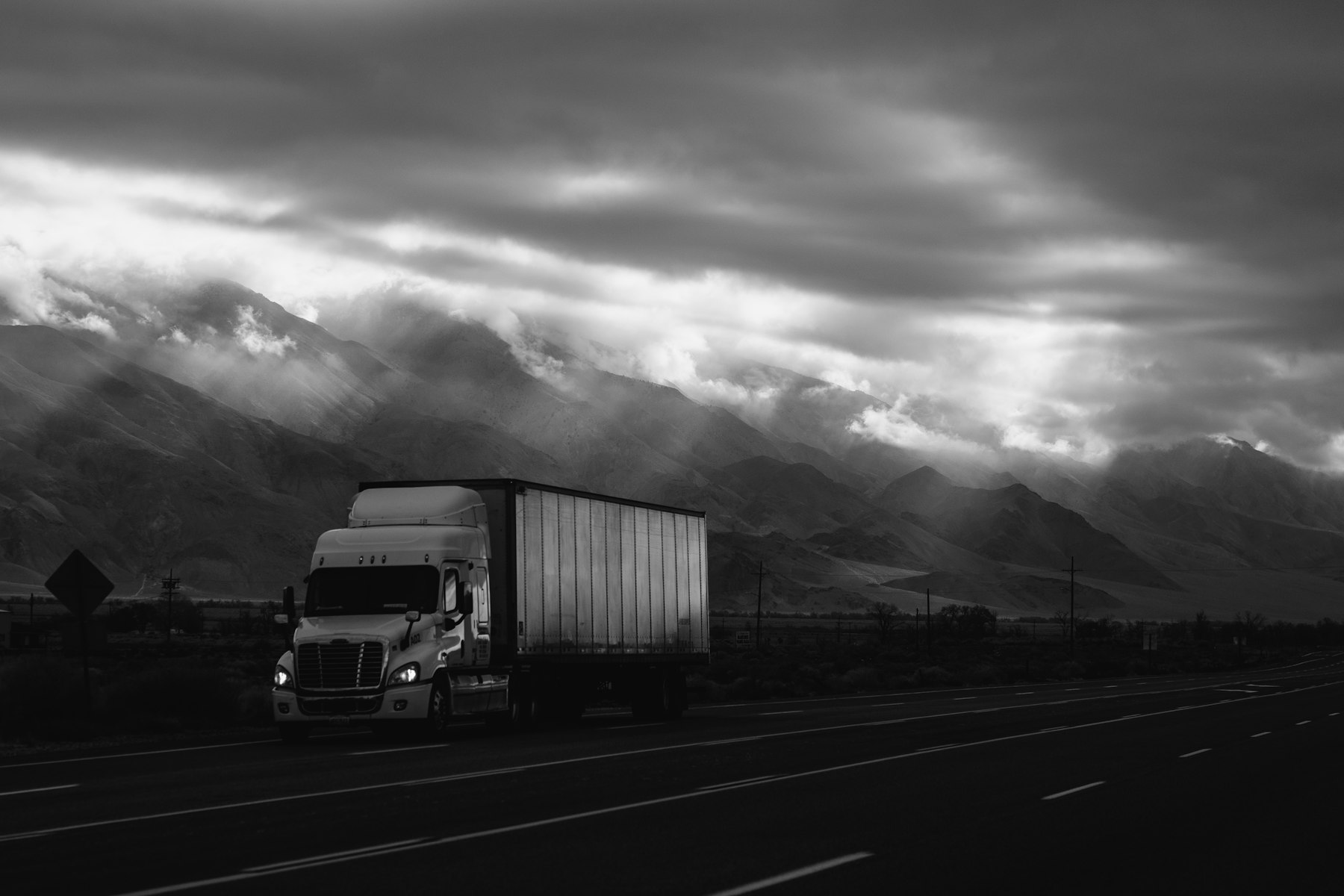
Open versus enclosed transport
Open carriers are the familiar multi-vehicle trailers used for most shipments. Enclosed transport shields a vehicle from weather and road debris and is often chosen for collector, exotic, restored, or unusually valuable cars. Enclosed service generally costs more and may have less frequent availability.
Door-to-door service means the carrier gets as close as legally and safely possible, not necessarily to your driveway. Low branches, tight streets, weight restrictions, and residential rules may require meeting at a nearby open lot. Terminal service can add handling and storage, so ask exactly where custody changes.
What affects the quote
Distance, route popularity, vehicle size and condition, open or enclosed equipment, season, fuel costs, and pickup flexibility all affect pricing. An inoperable vehicle may require a winch and must be disclosed. Oversized tires, low clearance, modifications, roof racks, and personal items can change acceptance or price.
Broadly, shorter regional moves can cost hundreds of dollars, while coast-to-coast or enclosed transport may cost well over one thousand. Quotes change with market capacity, so compare current written offers rather than relying on a fixed online average.
Prepare and inspect the vehicle
Wash the vehicle enough to document its condition. Photograph every side, the roof, wheels, glass, and interior in good light. Remove toll tags, loose accessories, and personal belongings unless the carrier explicitly permits them. Leave only the fuel level requested by the carrier and disclose leaks or mechanical issues.
At pickup, review the bill of lading and condition report before signing. Repeat the inspection at delivery before the driver leaves. Mark new damage on the delivery paperwork and take photographs immediately.
Questions, red flags, and insurance
Ask whether the company is a broker or motor carrier, who will physically transport the car, and how the carrier’s insurance is verified. Confirm pickup and delivery windows, cancellation terms, payment timing, and the claims process.
Avoid guaranteed exact dates that are not written into the contract, unusually low prices followed by requests for more money, and operators who will not provide their legal name or authority information. Carrier cargo coverage has limits and exclusions; ask for proof and check whether your auto policy covers transport-related loss.
Compare offers on the same terms
Ask each company to quote the same vehicle condition, route, equipment type, and pickup flexibility. Determine whether the price is an estimate from a broker seeking a carrier or a confirmed carrier price. If expedited or guaranteed service is offered, ask what the guarantee actually covers and what remedy applies when timing changes.
Keep the dispatch sheet, carrier name, authority information, bill of lading, condition reports, and payment receipts together. Confirm who to call after dispatch and whether payment is due to the broker, carrier, or both. At delivery, inspect in good light before accepting the vehicle. If weather or darkness prevents a careful inspection, note that circumstance on the paperwork and document the vehicle as soon as possible.
- Never place keys or title documents inside the vehicle without instructions.
- Get personal-item limits and exclusions in writing.
- Verify the actual carrier before pickup.