
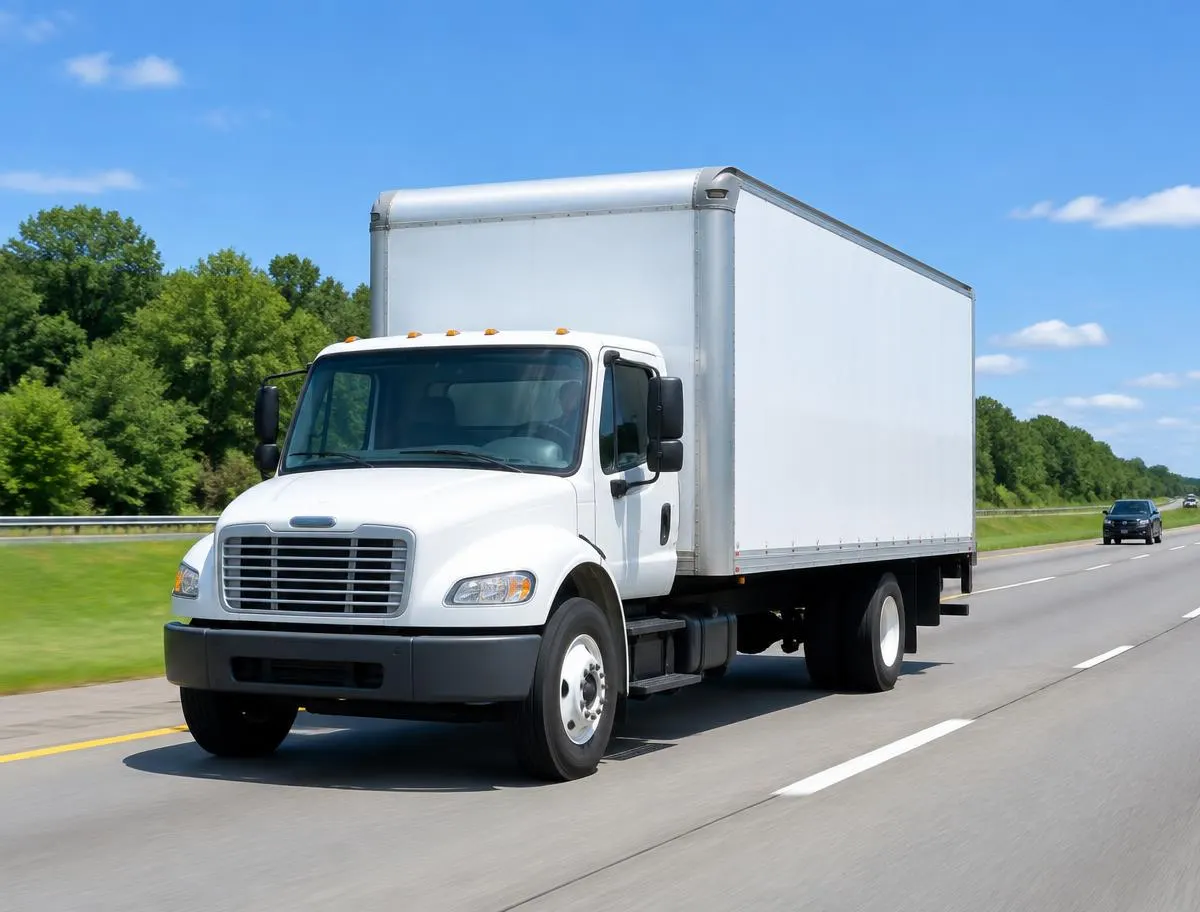
How an interstate move differs from a local one
Moving to another state is a different undertaking than a move across town, with different pricing, scheduling, and paperwork.
- Local moves usually stay within one metro area and are priced by the hour.
- State-to-state moves involve a longer haul, a shipment weighed or measured by volume, and a delivery window instead of a same-day drop-off.
- Shipments often share truck space with other customers for part of the route, so scheduling is less flexible.
Understanding these differences early helps you compare movers from state to state on equal terms instead of assuming an interstate quote works like a local one.
Ready to compare movers?
Interstate movers must be registered with FMCSA
Federal oversight applies once a shipment crosses a state line, which is why interstate rules are stricter than local ones.
- Companies that move household goods across state lines must be registered with the Federal Motor Carrier Safety Administration and hold a USDOT number.
- This federal oversight does not apply to movers that only operate within a single state.
Before you book
- Ask for the company's legal name and USDOT number.
- Confirm the number matches the paperwork you are given.
Red flags
- A mover that is reluctant to share its USDOT number, or whose details don't line up, is a reason to keep looking.
Ready to compare movers?
Binding versus non-binding estimates
Movers generally offer one of two estimate types for an interstate shipment, and knowing which one you're signing matters.
| Estimate type | How price is set | What can change it |
|---|---|---|
| Binding | Fixed for the listed inventory and services | Only items or services added beyond what was listed |
| Non-binding | An approximation based on estimated weight | Final weight at weigh-in, plus added items or services |
Ask before you sign
- How are extra items found on moving day handled?
- How are extra stops or access issues like stairs and long carries handled?
A reputable mover explains this in writing before pickup, not after.
Ready to compare movers?
Delivery windows for a state to state move
Long-distance movers quote a range of delivery days rather than one guaranteed date.
- Windows tend to be wider for moves crossing several states, since shipments may be consolidated with other customers' goods.
- Ask for the earliest and latest possible delivery dates in writing.
- Keep essentials, documents, and a few days of clothing with you rather than packed on the truck.
We may earn a commission when you request quotes through our partners.
The federal moving-rights booklet
Interstate movers are required to hand over a consumer rights booklet before the move.
- Movers handling an interstate household goods shipment must provide the booklet "Your Rights and Responsibilities When You Move," covering estimate types, valuation coverage, and the claims process.
- Read it before you sign anything, since it covers protections specific to moves to another state.
Ready to compare movers?
How to compare best movers from state to state
A thorough, apples-to-apples comparison is the surest way to avoid surprises once your belongings are on the road.
- Request written estimates from several companies based on the same inventory and services.
- Confirm each company's USDOT number.
- Ask whether your shipment will be handled by that carrier directly or passed to another company.
- Get the delivery window, valuation options, and cancellation terms in writing before you commit.
Ready to compare movers?
Interstate routes
If you already know your route, these guides cover the specifics for common interstate corridors.
- Jump to a route-specific guide below for building rules, timing, and regulations that apply to that corridor.
Ready to compare movers?
In-state routes
Not every move needs federal oversight. These guides cover moves that stay within one state, where state rules apply instead.
- State rules, not the federal rules described above, govern moves that start and end in the same state.
Frequently asked questions
What counts as a state-to-state move?
Any move where the pickup and delivery addresses are in different states counts as interstate, even if the two cities are close together, such as moving from New York City to New Jersey.
Do state-to-state movers need a special license?
Yes. Movers that transport household goods across state lines must be registered with the Federal Motor Carrier Safety Administration and hold a USDOT number.
How far in advance should I book a move to another state?
Many people book four to eight weeks ahead, and earlier during busy summer months, since availability for long-distance dates can fill up quickly.
Can I get an exact delivery date for a long-distance move?
Generally no. Movers quote a delivery window rather than a fixed date because long-haul shipments are often routed alongside other customers' goods.
We may earn a commission when you request quotes through our partners.